 Tavlum
Why preview it first
Hats are hard to buy online. The brim, the height of the crown and the way a hat sits on your head change how your face looks, and a hat that looks relaxed on one person can look too big or too small on another.
Trying a few styles on your own photo shows you which shapes suit you before you order or head to a shop.
Tavlum changes only what you describe and is meant to leave the rest of the photo as it was, so the comparison shows the change rather than a different photo.
What we tested
We ran three prompts on the same front-facing portrait on 27 Nov 2026, using Tavlum's Free Edit with a short text description and no reference image. Each run used 1 credit.
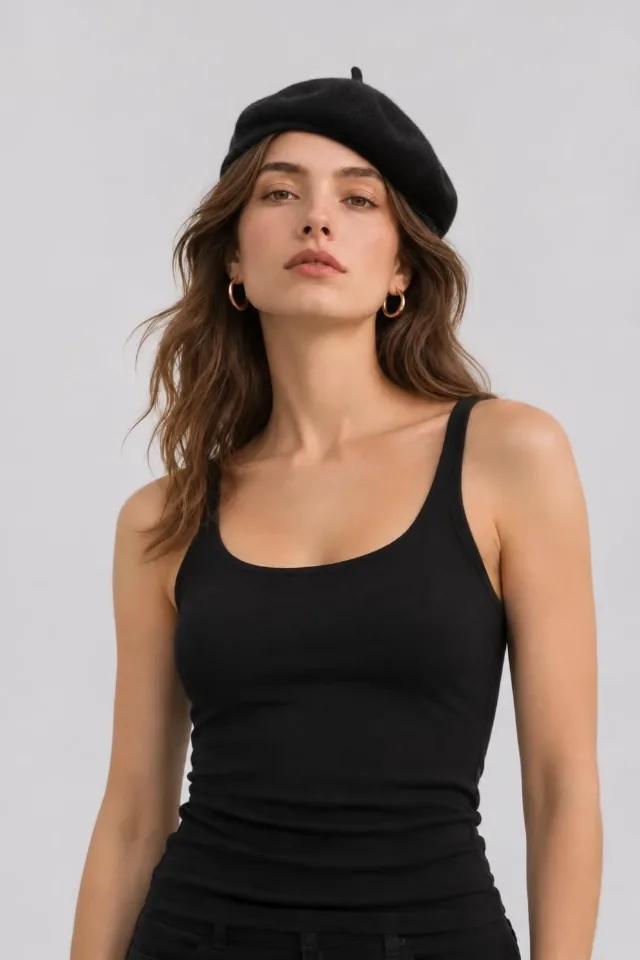
- Wool beret: a black wool beret tilted slightly to one side.
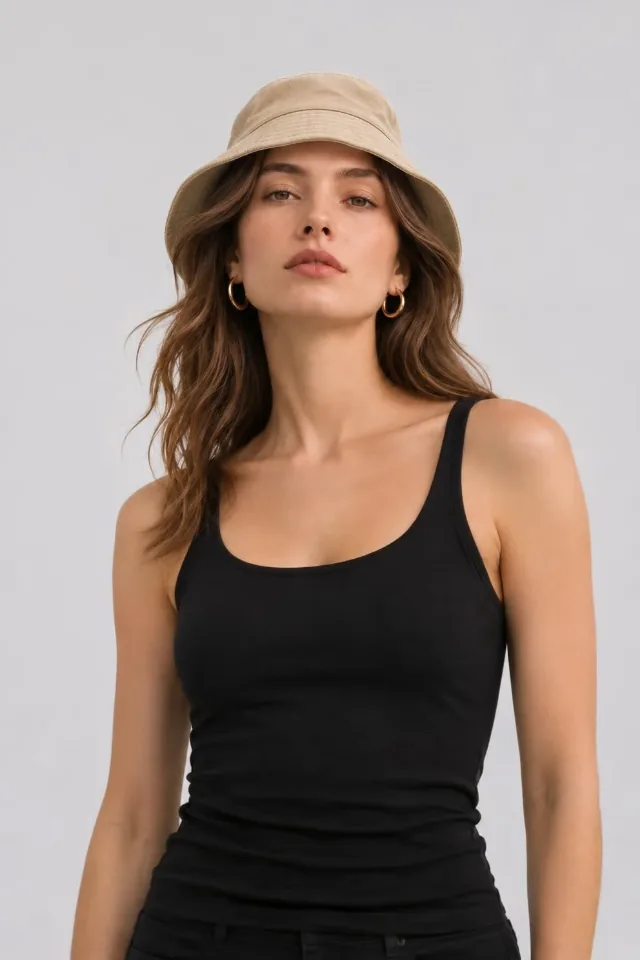
- Bucket hat: a beige cotton bucket hat.
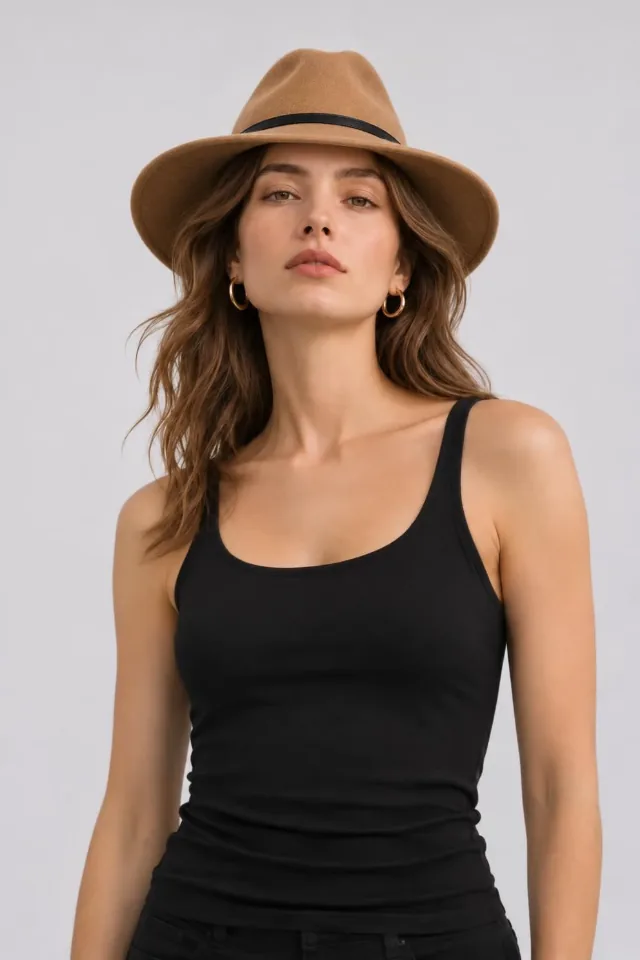
- Wide-brim fedora: a camel wool fedora with a thin black band.
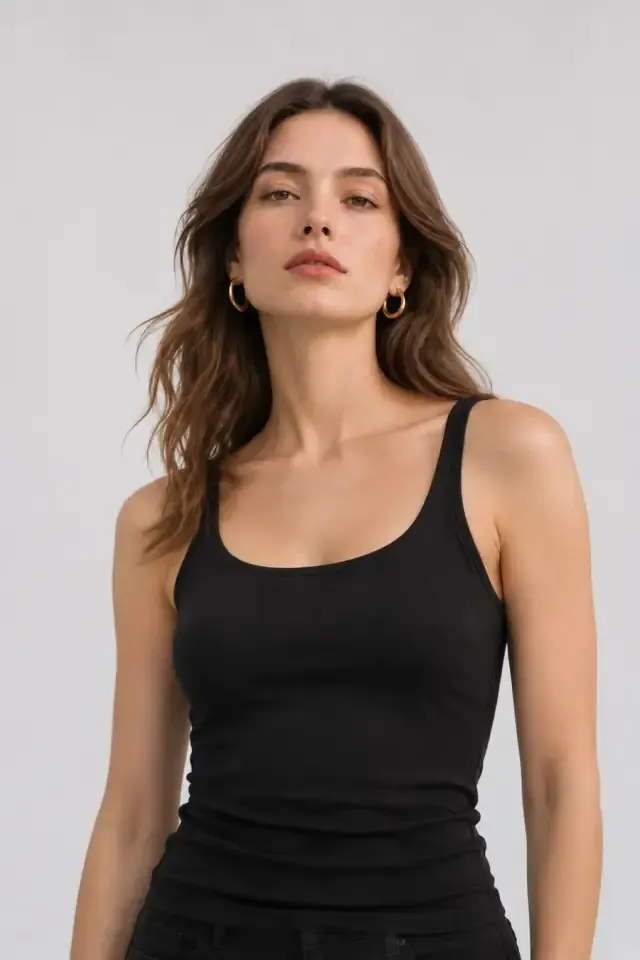
In all three results her face, skin, expression, pose and the grey background stayed close to the original. Each hat sat on the head with her hair falling naturally below it, and her face, earrings and clothes stayed close to the original. The fedora made the biggest change because of its wide brim. The beret was the smallest. Where the hat meets the hair is drawn by the AI, so check that line closely. Each result above sits next to its original photo, so you can compare the details for yourself before trying your own.
How to do it with your own photo
- Upload a clear, front-facing photo. Face the camera in soft, even light, with your face, hairline and shoulders visible. A plain wall behind you keeps edges clean.
- Describe the change. Say the type of hat, the material and colour and how it should sit, for example "a black wool beret tilted to one side" or "a camel wide-brim fedora".
- Add a reference photo if you have one. A product or inspiration photo helps the AI match a specific item. Make sure you have the right to use it.
- Generate and compare. Drag the slider over the result to see exactly what changed. Change one detail at a time and generate again, so you can see what each choice does.
- Save the ones you like. Keep your favourite results side by side in your history and use them to decide what to buy, book or try in person.
Getting a realistic result
- Keep your face straight to the camera. A tilted head or strong side angle makes the result less even.
- Use soft daylight. Harsh shadows and backlight hide edges and change colours.
- Pull hair away from the area you are changing, unless the change is the hair itself.
- Avoid busy backgrounds. Thin edges stay crisp against a plain wall.
- Repeat the run. Two runs with the same description can differ a little, so generate again if one detail looks off.
Putting the whole look together
Accessories work together with your hair, clothes and other jewellery. A large hat or bold earrings can look great on their own but compete with each other, so try one change at a time first, then combine your favourites in a second run on the saved result.
Think about where you will wear them. A preview on a plain grey background shows the shape and colour clearly, but the same piece can feel different with a busy outfit or in bright sunlight. Saving a few results from your history makes it easy to compare them later, or to share them with a friend before you buy.
Hat styles worth comparing
- Beret: Soft and chic, worn tilted or pushed back.
- Bucket hat: Casual and sporty, good for summer.
- Fedora: Structured with a brim, smart and classic.
- Beanie: Warm and simple for winter.
- Baseball cap: Everyday and easy, in endless colours.
Who this helps
- People buying hats online.
- Anyone choosing a hat for a holiday or event.
- Shoppers comparing colours of the same hat.
- Shops showing customers a few styles.
What a preview can and cannot do
An AI preview redraws part of your photo. It is meant to keep everything else the same, but small details near the change, such as stray hairs, jewellery or the edge of clothing, can shift a little. It does not measure you, so it cannot tell you about size, fit or comfort. Use it to compare looks and narrow down choices, then check the real thing. If a result looks wrong, generate again or change one word in your description; failed generations are refunded automatically.
Check the real thing before you buy
A preview shows the look of a hat on your photo. It does not measure your head. Measure around your head just above the ears and compare it with the shop's size chart before you order.
AI previews are illustrative and may alter small details. They do not determine size or fit.