 Tavlum
Why preview it first
Restyling a living room usually means changing several things at once: the sofa, the coffee table, the rug and the lighting. It is hard to picture how a new style will look in your room, with your window, walls and floor.
Seeing a few complete styles on a photo of your own room helps you choose a direction before you start buying.
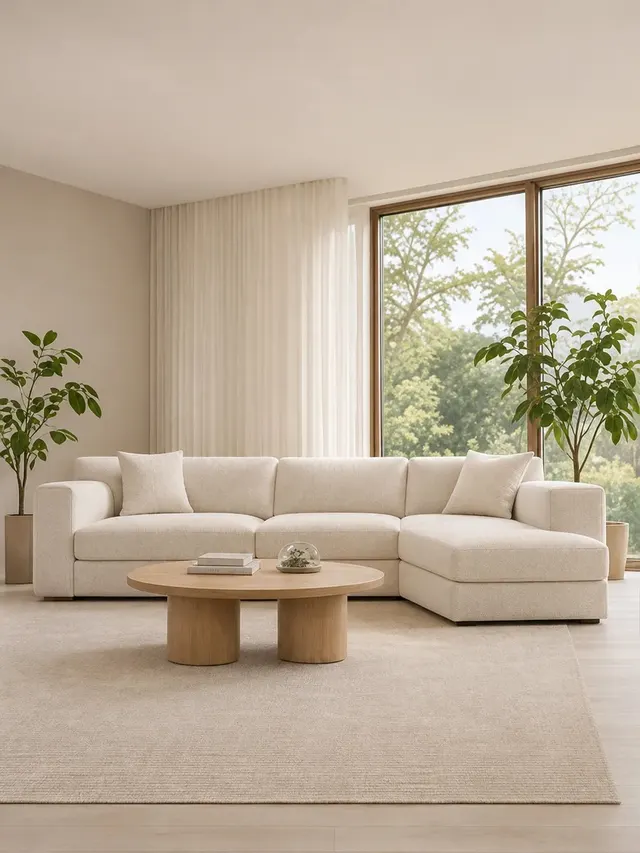
Tavlum changes only what you describe and is meant to leave the rest of the photo as it was, so the comparison shows the change rather than a different photo.
What we tested
We ran three prompts on a photo of a real room on 27 Nov 2026, using Tavlum's Free Edit with a short text description and no reference image. Each run used 1 credit.
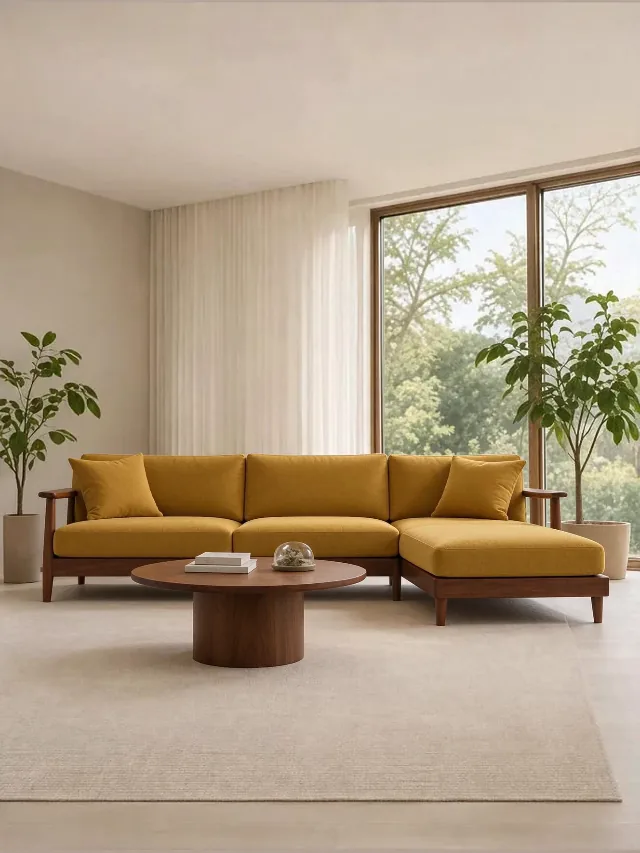
- Mid-century modern: a walnut-framed sofa with mustard cushions and a round walnut coffee table.
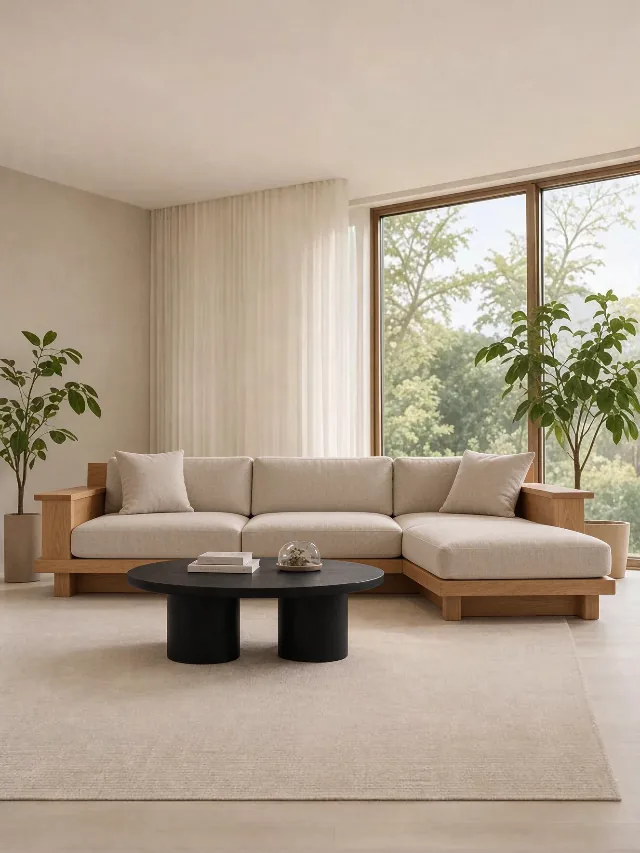
- Japandi: a low light oak sofa with oatmeal cushions and a low black wood coffee table.
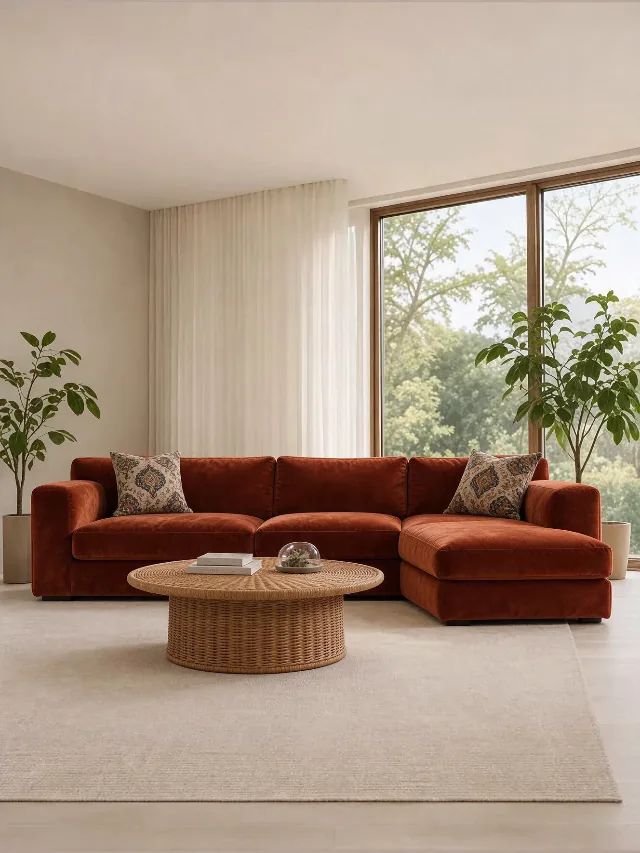
- Boho: a rust velvet sofa with patterned cushions and a round rattan coffee table.
In all three results the parts we asked to keep stayed close to the original photo. The window, curtains, plants, walls, rug and floor stayed in place while the sofa and coffee table changed. Mid-century felt warm and graphic, japandi calm and minimal, and boho colourful and relaxed. Furniture shapes are drawn by the AI, so use them for ideas rather than exact products. Each result above sits next to its original photo, so you can compare the details for yourself before trying your own.
How to do it with your own photo
- Take a straight-on photo of the room. Stand back far enough to fit the whole area you want to change, and shoot in daylight with the lights you normally use switched on.
- Describe the change. Name the style and the key pieces, for example "restyle the furniture in japandi style: a low oak sofa and a black wood coffee table". Change the rug or lighting in a second run.
- Say what must stay the same. Naming the furniture, floor, window and walls you want to keep helps the result change only what you asked for.
- Generate and compare. Drag the slider over the result to see exactly what changed. Change one thing at a time so you can see the effect of each choice.
- Narrow it down to real samples. Use your favourite preview to pick two or three real samples, swatches or products to check in the room before you buy.
Getting a realistic result
- Use natural daylight. Strong yellow or blue artificial light shifts how colours look in the result.
- Shoot straight on. A steep angle makes surfaces and patterns look uneven.
- Tidy the area first. Fewer objects in front of what you are changing means cleaner edges.
- Keep reflections low. Glare from windows on shiny surfaces can turn into patches.
- Repeat the run. Two runs with the same description can differ a little, so generate again if one detail looks off.
Planning the change
Start with the biggest surface you want to change, such as the walls, floor or sofa, and keep the rest of the room the same. Once you like that result, save it and use it as the starting point for the next change, so you can build up a whole new look one step at a time.
Keep the light in mind. A room photographed on a bright afternoon looks very different at night, and colours and materials change with it. If you can, take two photos at different times of day and run the same change on both. Then compare the results with real samples, swatches or products in the room before you buy anything.
Living room styles worth comparing
- Mid-century modern: Walnut, mustard and clean lines.
- Japandi: Light wood, black accents and calm, low furniture.
- Boho: Rattan, patterns and warm colours.
- Scandinavian: Light, bright and simple.
- Modern classic: Neutral colours with a few elegant details.
Who this helps
- People planning a living room makeover.
- Anyone moving into a new home.
- Designers showing a client a few directions.
- Renters looking for ideas that do not need painting.
What a preview can and cannot do
An AI preview redraws part of your photo. It is meant to keep everything else the same, but small details near the change, such as edges, shadows and reflections, can shift a little. It does not measure your room, so it cannot tell you about quantities, sizes or cost. Use it to compare looks and narrow down choices, then check real samples. If a result looks wrong, generate again or change one word in your description; failed generations are refunded automatically.
Check the real thing before you buy
A preview gives ideas for a style in your room. The furniture it draws is not real products, and sizes are estimates. Measure your room and the pieces you like before buying, and check that walkways stay clear.
AI previews are illustrative and may alter small details. They do not determine size or fit.